

Liver cirrhosis is a chronic condition in which the normal tissue of the liver is replaced by scar tissue, leading to a progressive loss of liver function. It is also known as the early stage of symptoms, which may be subtle or even absent, making it hard to diagnose the condition. It is important to understand this condition early to avoid complications.
What Is Silent Liver Cirrhosis?
During the early stages, the liver remains active despite the damage, which is why patients may not experience any symptoms or may only experience mild ones. Many patients do not visit a doctor until complications arise from the progression of the disease. It is important to be diagnosed early because treatment is more effective before extensive scarring of the liver takes place.
Early Signs of Silent Liver Cirrhosis
It is important to be able to identify the early warning signs of liver injury in order to diagnose and treat the condition in time. The early warning signs of liver injury include tiredness or weakness, loss of appetite, unintentional weight loss, nausea, slight pain in the abdomen, feeling full quickly after eating, and having trouble digesting fatty foods. The early warning signs include itching without a rash, dark-colored urine, light-colored stools, bruising easily, and frequent infections.
Symptoms of Advanced Liver Cirrhosis
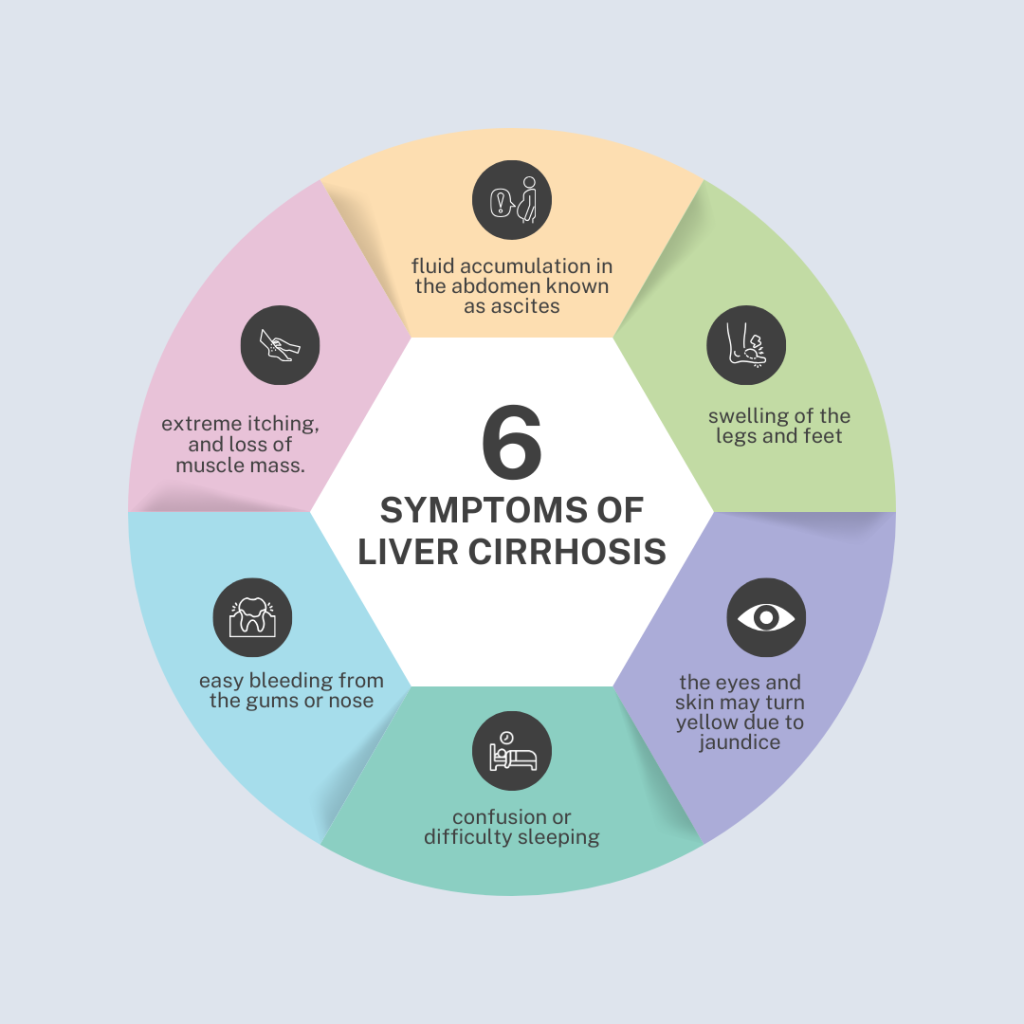
When the damage to the liver worsens, the symptoms become more apparent and severe. In advanced liver disease, the eyes and skin may turn yellow due to jaundice, there may be swelling of the legs and feet, fluid accumulation in the abdomen known as ascites, confusion or difficulty sleeping, easy bleeding from the gums or nose, extreme itching, and loss of muscle mass. Such symptoms should be promptly evaluated by a doctor.
Stages of Liver Cirrhosis
Understanding the stages helps in identifying severity and planning appropriate treatment.
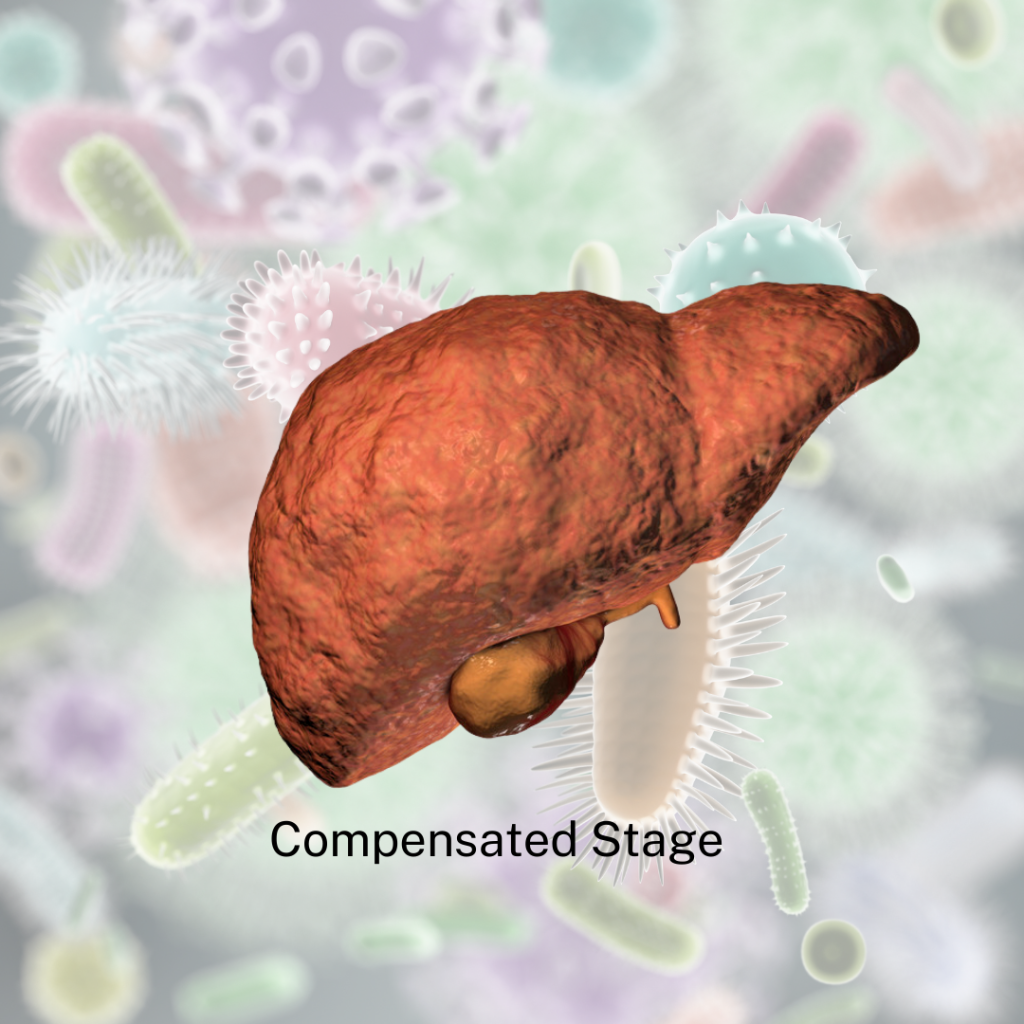
Stage 1 Compensated Stage
Liver cirrhosis is present, but the liver is still able to do most of its functions
Silent liver cirrhosis may have little to no symptoms
Usually discovered through routine tests
The best time to treat liver cirrhosis
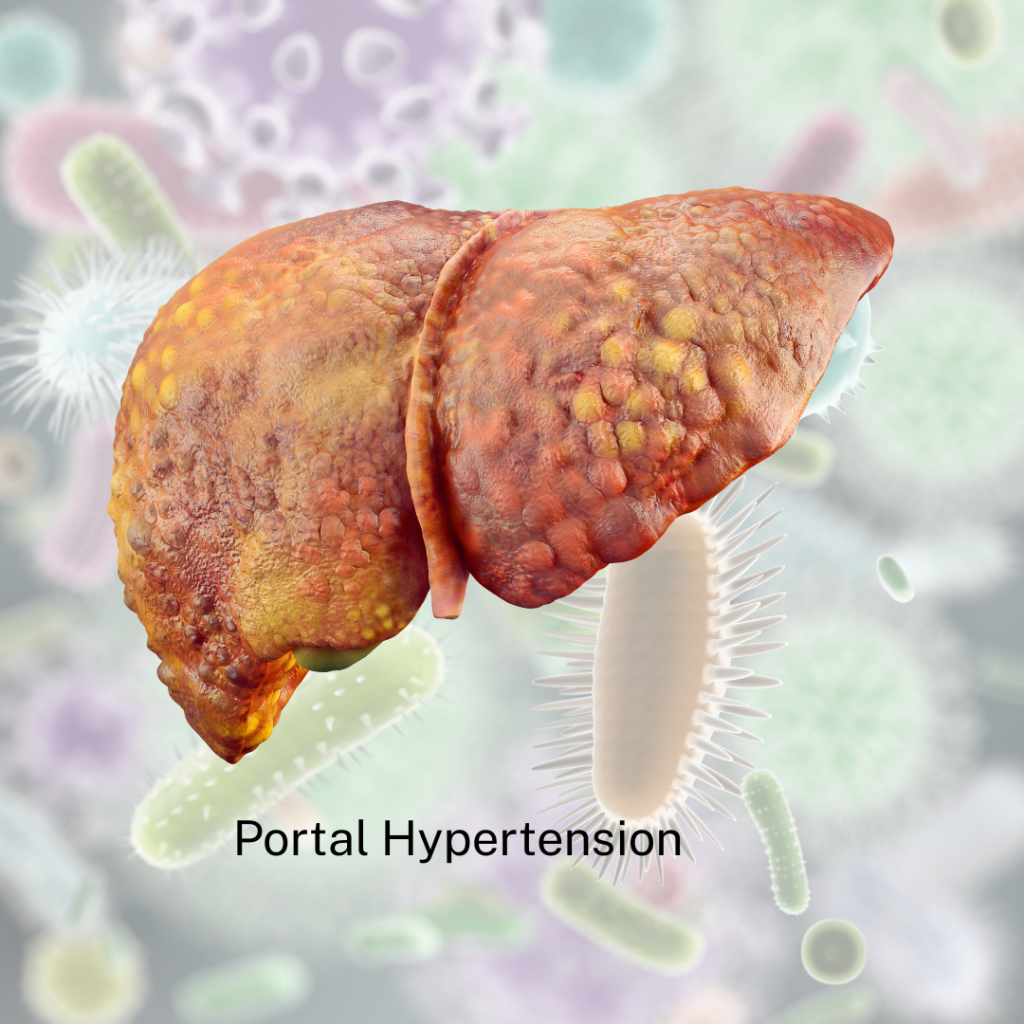
Stage 2 Portal Hypertension
Increased pressure in the liver blood vessels
Enlarged veins may develop
The risk of complications begins
Mild swelling or discomfort may occur
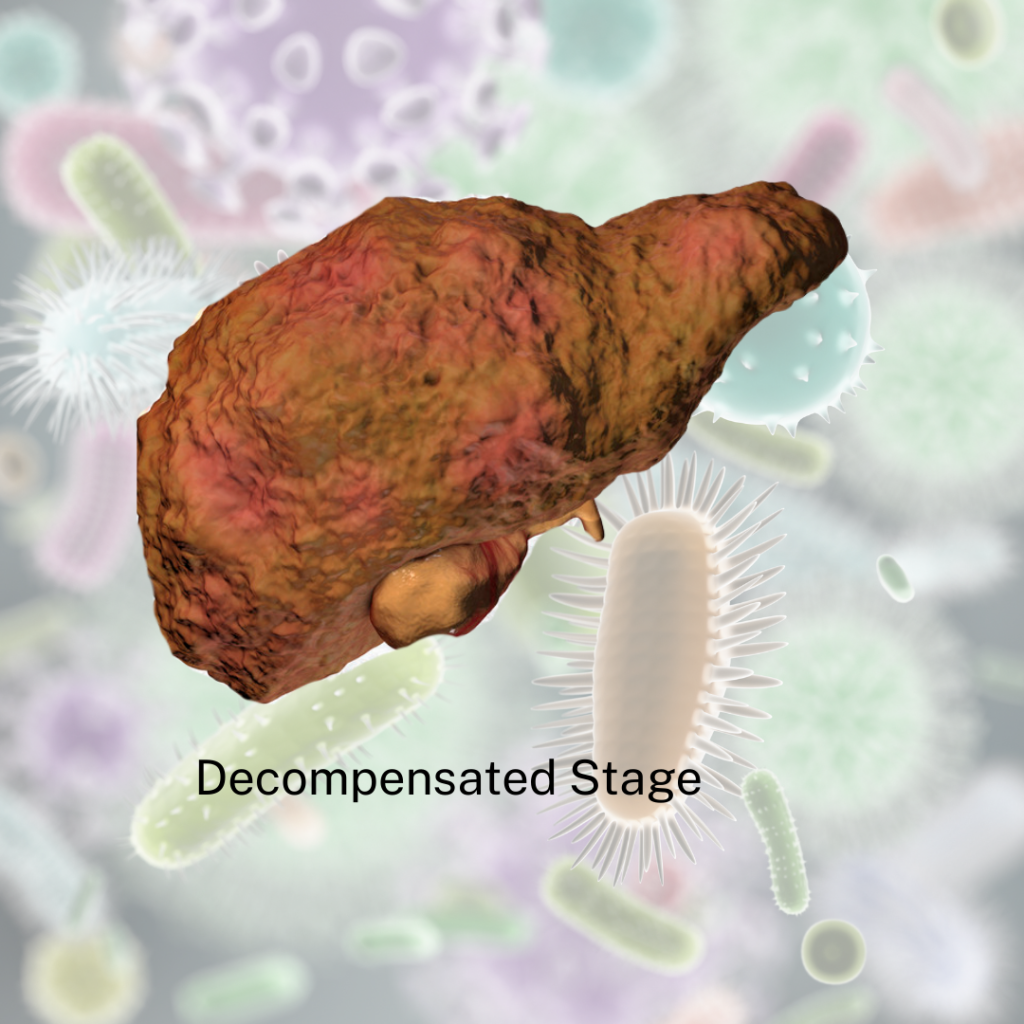
Stage 3 Decompensated Stage
Fluid accumulation in the abdomen (ascites)
Yellowing of the skin and eyes appears
Higher risk of infection and bleeding
Liver cirrhosis treatment becomes more intensive
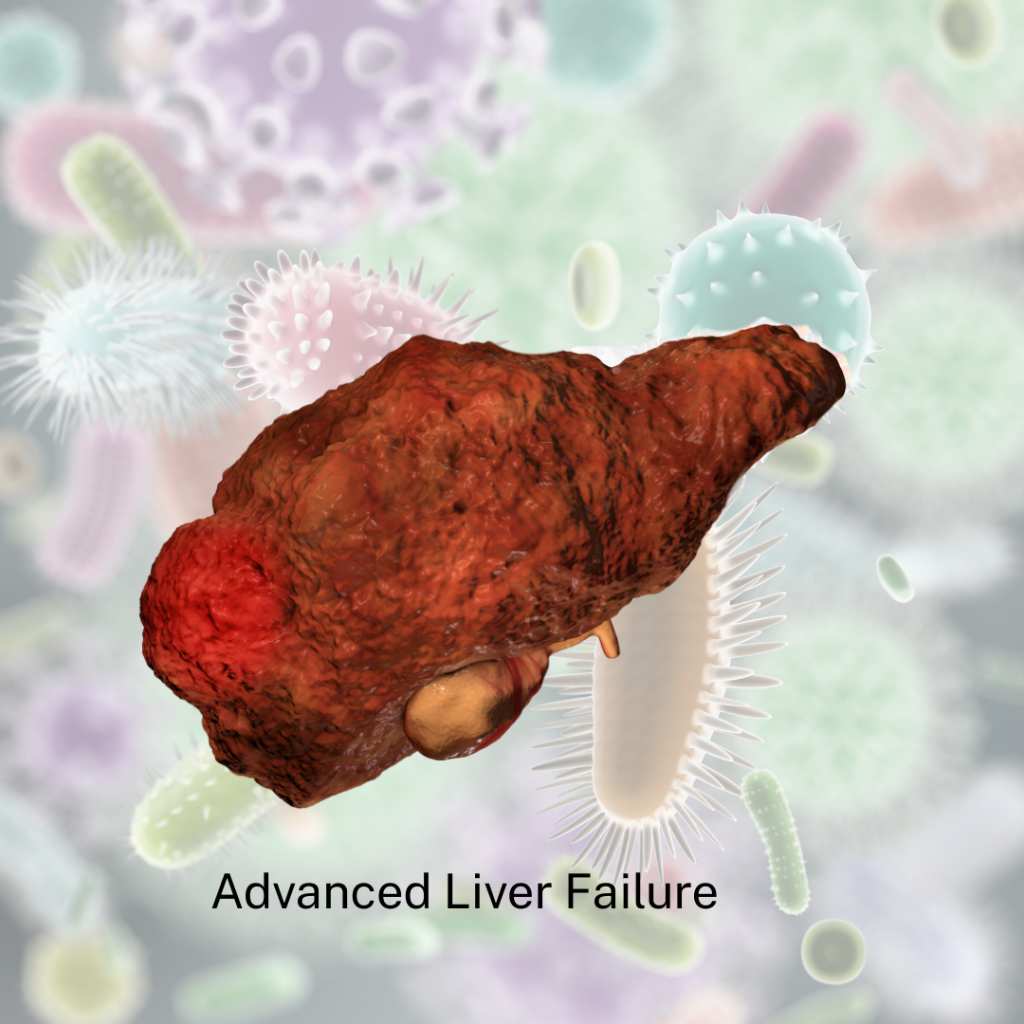
Stage 4 Advanced Liver Failure
Severe liver cirrhosis with major liver dysfunction
Confusion and memory problems may occur
Severe weakness and swelling
Requires urgent medical care and specialized treatment
Early detection of silent liver cirrhosis improves outcomes and helps prevent life-threatening complications.
Causes of Liver Cirrhosis
There are various factors that can cause chronic liver injury and ultimately result in cirrhosis. These factors include non-alcoholic fatty liver disease, alcohol-related cirrhosis, hepatitis B or C infection, autoimmune liver disease, chronic drug toxicity, and genetic liver disorders. The underlying cause of cirrhosis can be treated to slow down the progression of the disease.
There are some symptoms that can be a sign of severe liver injury. These symptoms include vomiting blood, passing black stools, severe abdominal distention, sudden confusion, high fever with jaundice, and rapid progression of fatigue. These symptoms can be a sign of liver failure or severe complications and should be considered a medical emergency.
The treatment of liver cirrhosis varies depending on the stage and cause of the liver cirrhosis. In the early stages of liver cirrhosis, the treatment includes managing the underlying cause of cirrhosis, lifestyle modification, and prevention of complications. In advanced liver cirrhosis, the treatment includes managing symptoms, preventing liver failure, and maintaining liver function through regular monitoring and medical care.
When to See a Liver Specialist
You should consult a liver specialist if you have persistent symptoms of digestive problems along with fatigue, or if you have known fatty liver disease, alcohol use, hepatitis infection, jaundice, swelling, or weight loss. Early assessment can help in diagnosing liver damage before the development of complications. At Medigest Clinic, New Delhi, advanced liver assessment and fibrosis evaluation can help in early diagnosis of liver disease.
Conclusion
Silent liver cirrhosis is a condition that can progress without symptoms until extensive damage has been done. Being aware of the symptoms of the disease, how it progresses, and when to seek medical attention can go a long way in slowing down the progression of the disease. Early diagnosis is the key to maintaining a healthy liver.