

Medigest

Digestive Diseases & Conditions

Achalasia Symptoms: 5 Scary Signs You Should Never Ignore

Achalasia is a rare but serious condition that most people have never heard of yet it could be the real reason food keeps getting stuck in your chest. Many patients spend months blaming stress, anxiety, or acid reflux, never realising there is a name for what they are going through. The longer it goes unrecognised,

Achalasia Symptoms: 5 Scary Signs You Should Never Ignore Read More »
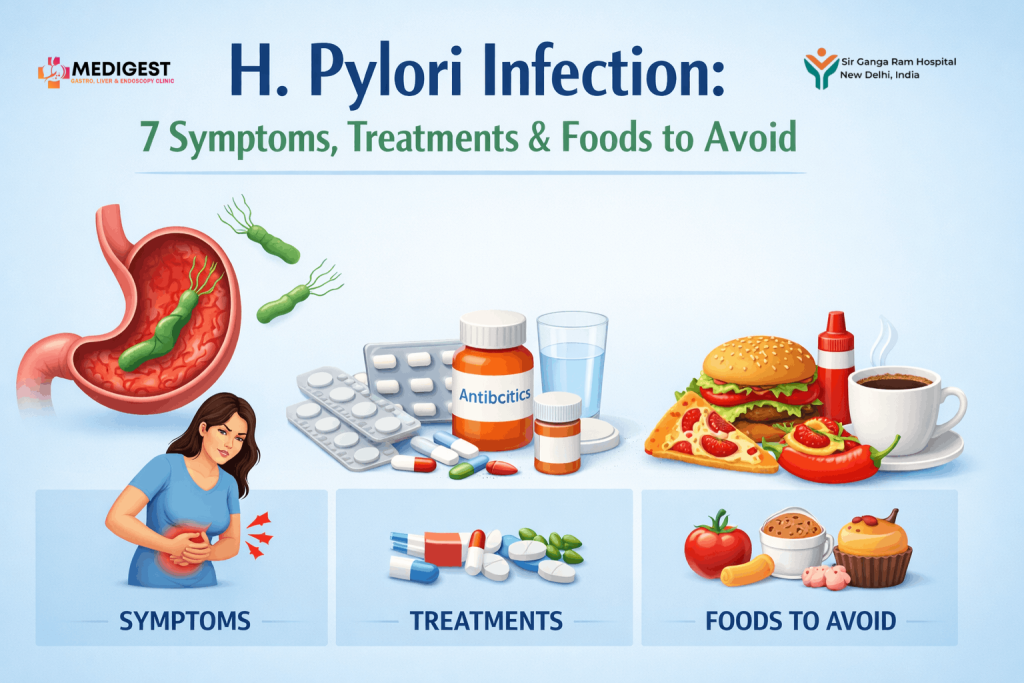
H. Pylori Infection: 7 Symptoms, Treatments & Foods to Avoid

H.pylori infection could be the reason, and most people have no idea that they are suffering from this condition. H. pylori is one of the most common infections across the globe. In India, studies have shown that over 60% of people are suffering from this condition. However, this condition goes undetected for most people. In

H. Pylori Infection: 7 Symptoms, Treatments & Foods to Avoid Read More »

Barrett’s Esophagus: 10 Warning Signs and Facts You Should Know

Introduction Many people experience occasional heartburn or acid reflux after eating spicy or heavy meals. While these symptoms may seem harmless at first, persistent acid reflux over a long period can lead to serious changes in the esophagus. One of the most important conditions associated with long-term reflux is Barrett’s Esophagus. This condition occurs when

Barrett’s Esophagus: 10 Warning Signs and Facts You Should Know Read More »

What are Gallbladder polyps?

Gallbladder polyps are masses of cells that are seen on the inner lining of the gallbladder. Most are benign asymptomatic incidental findings (found on USG). However, a small percentage (0.5-2%) may be cancerous. In such cases, early is key for curative treatment and long-term survival. Types of Polyps – 1. Benign a) pseudo-tumors (cholesterol polyps,

What are Gallbladder polyps? Read More »

Stomach Ulcers And How To Prevent It

What’s a stomach ulcer? Stomach ulcers are another name for stomach ulcers. They are abrasive sores that develop in the lining of the stomach. Peptic illness is another term for stomach ulcers. Any ulcers that affect the stomach or small intestines can be called peptic ulcers. The thin coating of mucus insulating your stomach from

Stomach Ulcers And How To Prevent It Read More »

What are Gastrointestinal Diseases? How to Cure it?

What are gastrointestinal conditions? Gastrointestinal disorders affect the digestive (GI) tract, which extends from the oral cavity to the anus. There are two kinds: both structural and functional. Examples include vomiting or nausea, lactose intolerance, food poisoning, and diarrhea. How can you tell if there are functional stomach conditions? Functional conditions are those that occur

What are Gastrointestinal Diseases? How to Cure it? Read More »

What is GERD? Get to Know the Complete Details.

GERD (Gastroesophageal Reflux Disease) Overview, Symptoms, and Treatment. Have you ever experienced a splitting pain in your stomach? If you have it can be caused due to stomach acid. The stomach acid must’ve irritated the lining of the digestive tract causing the pain. This may lead to GERD. It occurs when the stomach acid flows

What is GERD? Get to Know the Complete Details. Read More »

Chronic Pancreatitis

What is Chronic Pancreatitis? Chronic Pancreatitis (CP) is a condition characterized by irreversible damage to pancreatic structure or function. It occurs when a severe, repeated or prolonged insult leads to permanent alterations in Pancreatic gland. How is Chronic Pancreatitis different from Acute Pancreatitis? The essential difference in CP and AP is the rapidity of disease

Chronic Pancreatitis Read More »

What is Irritable Bowel Syndrome?

Irritable bowel syndrome (IBS) is a functional disorder of the large intestine that affects bowel habits. The prevalence of this condition is high, and it presents with varied symptoms. The exact cause of the disorder is still not completely understood, but there are multiple theories which account for symptoms. Signs and Symptoms of Irritable Bowel

What is Irritable Bowel Syndrome? Read More »